
Design Consulting
Design better learning, care and community experiences.
Little Changemakers helps organisations use design thinking to uncover real needs, prototype practical solutions, and create meaningful experiences for schools, healthcare, senior care and community spaces.
Looking for Design Thinking training instead?
We also offer practice-led Design Thinking talks, workshops and design sprints for schools, universities and organisations, grounded in user research and real community challenges.
What design consulting means
We help you turn good intentions into useful, engaging and practical solutions.
Design consulting is not about making things look nice only. We help organisations understand users, clarify problems, shape solutions, test ideas and create experiences that people can actually use.
Find the real need
We look at your users, setting, staff flow and pain points before proposing any solution.
Design for actual users
Children, seniors, caregivers, teachers, staff and volunteers all experience spaces differently.
Prototype before scaling
We turn ideas into practical concepts, mock-ups, activity flows and testable formats.
Implement with care
We support production, setup, facilitation, launch and refinement where needed.
What we help redesign
From passive spaces to purposeful experiences.
Many spaces and programmes already have potential. We help partners redesign them so they become easier to use, more engaging and more meaningful.
Spaces
Sensory & activity environments
Multisensory walls, sensory trails, activity corridors, waiting areas, calm corners and engagement zones.
Learning
Learning kits & activity systems
Hands-on kits, guided prompts, role-play tools, printable resources and self-directed engagement stations.
Care
Senior care & healthcare experiences
Reminiscence spaces, ward-friendly activities, waiting experiences, sensory engagement and participation prompts.
Community
Programme & service journeys
CSR flows, volunteer journeys, VIA experiences, public activations and community engagement models.
Our process
A clear design thinking process from discovery to improvement.
Discover
Understand your users, setting, constraints, goals and opportunities.
Define
Clarify the real problem and align stakeholders around the design direction.
Design
Create concepts, flows, materials, visuals, prototypes and implementation ideas.
Test
Gather feedback from users and staff, then refine for safety, clarity and usability.
Implement
Support production, setup, training, facilitation, launch and handover.
Improve
Review what worked, what needs improvement and how the idea can scale.
Consulting formats
Choose the level of support you need.
Starter
Design Audit & Strategy Sprint
Best for teams that need clarity before investing in a larger programme or space transformation.
- Stakeholder discussion
- Experience gap review
- Opportunity map
- Recommended next steps
Most useful
Concept Design & Prototype
Best for organisations that need a tangible concept to test, present or seek approval.
- User journey and activity flow
- Concept visuals and mood direction
- Prototype or sample activity
- Implementation and budget planning
End-to-end
Design, Build & Implementation
Best for partners who want Little Changemakers to take the project from idea to launch.
- Full concept development
- Material sourcing and production
- On-site setup or facilitation
- Training and handover support
Selected work
Design thinking applied across learning, healthcare and community care.
These examples show how Little Changemakers turns user needs into practical experiences, spaces, kits and engagement systems.

Healthcare Service Design
From Patient Insights to a 24/7 Play Solution
Patient and parent insights revealed long waits, limited access to play, infection-control concerns, space constraints and limited manpower. These needs led to a self-service vending solution with toys and activity kits for different ages and interests, including options for parent-child participation.
Partner context: Thomson Medical Centre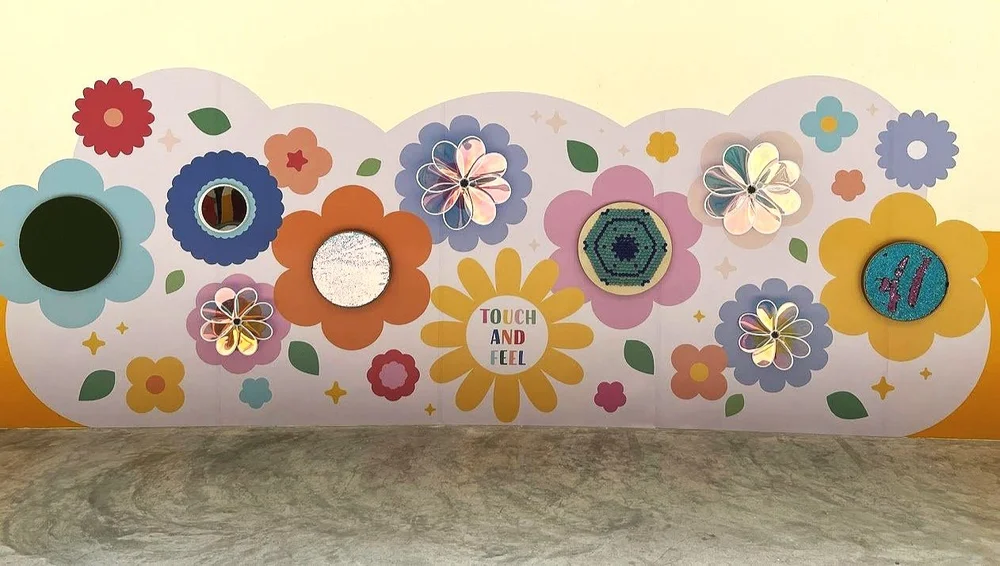
Inclusive space
Thematic Multisensory Wall Design
A corridor transformed into a garden-themed multisensory play space with tactile, musical and interactive elements.
Partner context: CPAS West
Youth wellness
Exhibition Design & Drop-In Activity
A mental wellness programme extended into an exhibition and visitor activity for public engagement.
Partner context: Suncare SG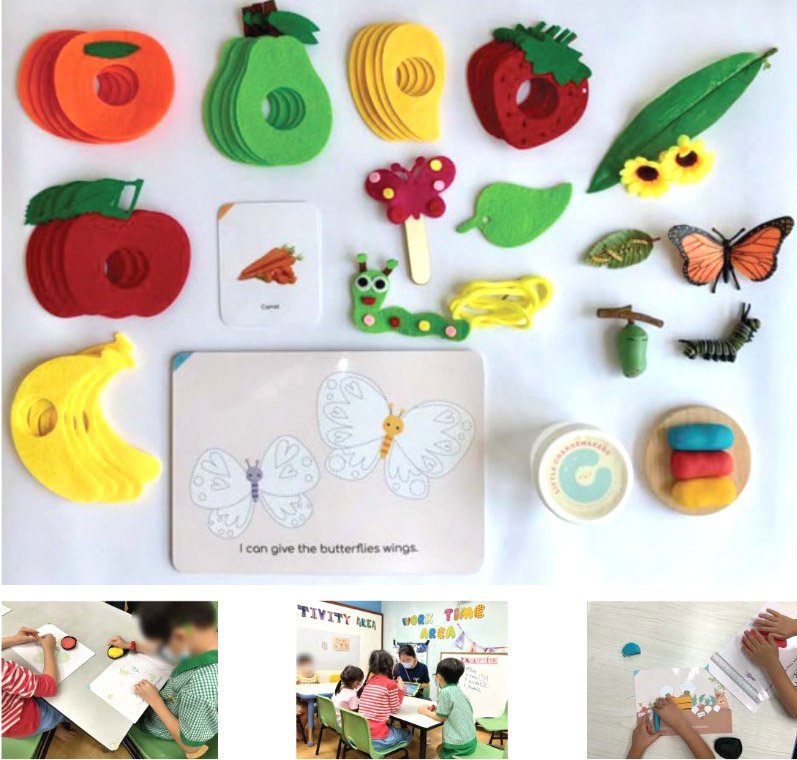
Special needs
Sensory Play Kit
A thematic sensory kit with fine-motor, tactile, counting and play-based learning activities.
Used by: THK EIPIC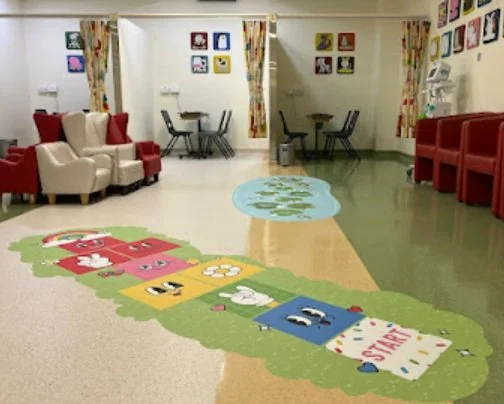
Hospital waiting
Sensory Trail at KKH
Maintenance-free floor stickers designed to support movement and engagement while children wait for procedures.
Partner context: KK Women’s and Children’s Hospital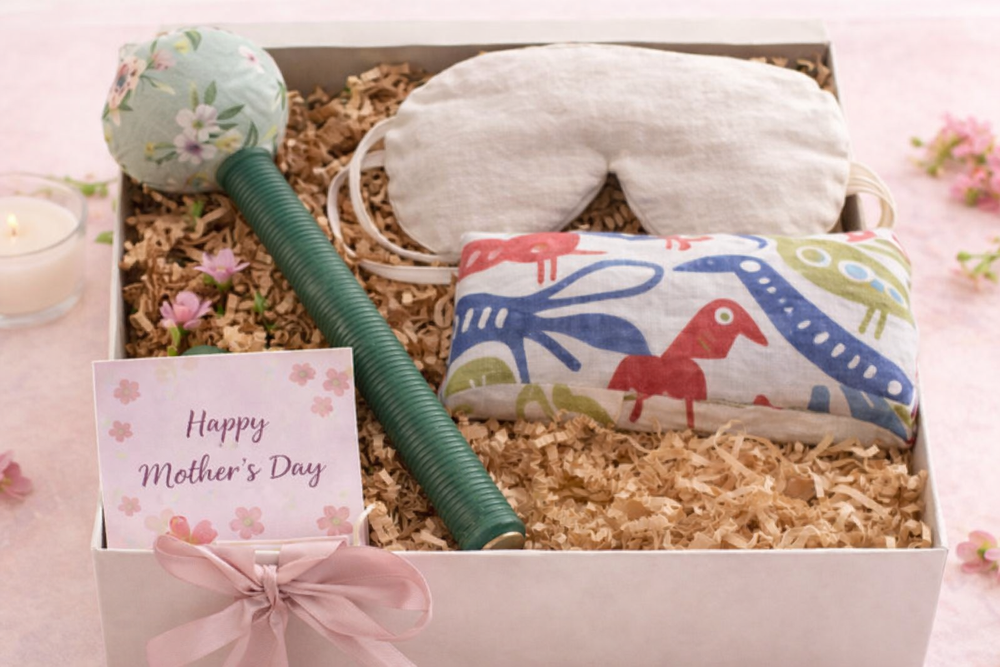
Patient care
Thoughtful Gift Packs for In-Patients
Gift packs designed to uplift spirits and extend emotional care beyond clinical touchpoints.
Partner context: Thomson Medical Centre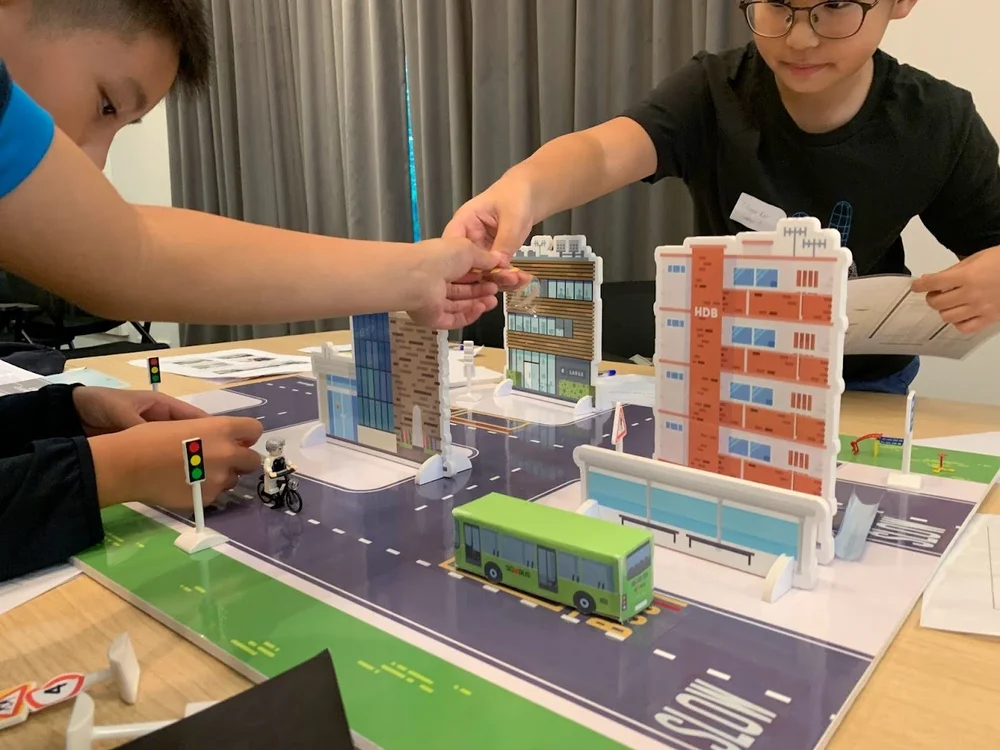
Education
Role Play Design Board & Sticker Pack
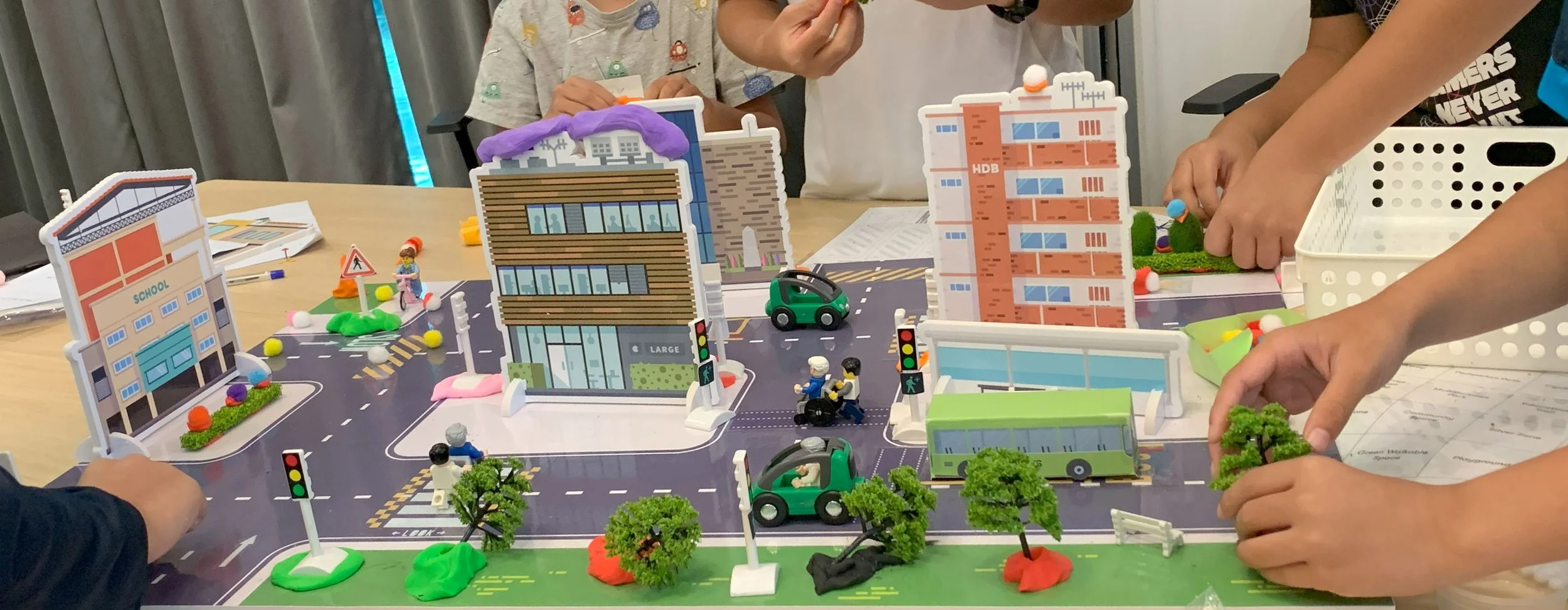
A hands-on design thinking tool where children explore commuter needs and prototype safer, more inclusive roads.
Partner context: Land Transport Authority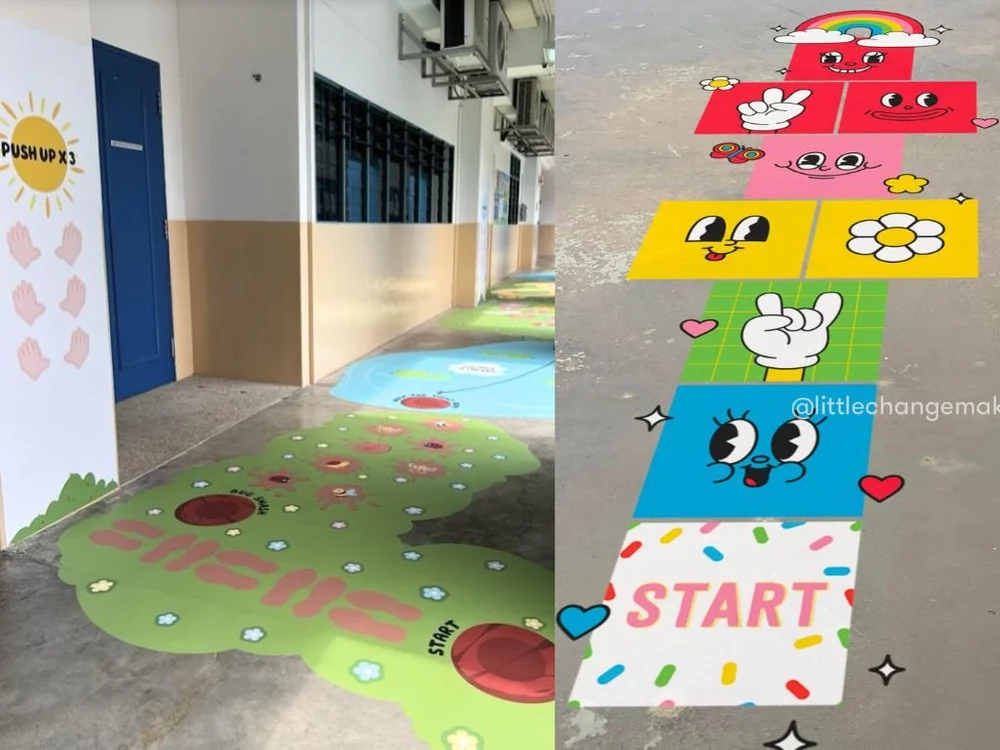
School inclusion
Sensory Trails for Schools
Weather-proof movement trails that support sensory input, social play and self-affirmation.
Location: Various schools
Heritage activation
NHB Heritage Activation Nodes
A conversation-sparking activity designed to support intergenerational exchange and accessible heritage learning.
Location: Clementi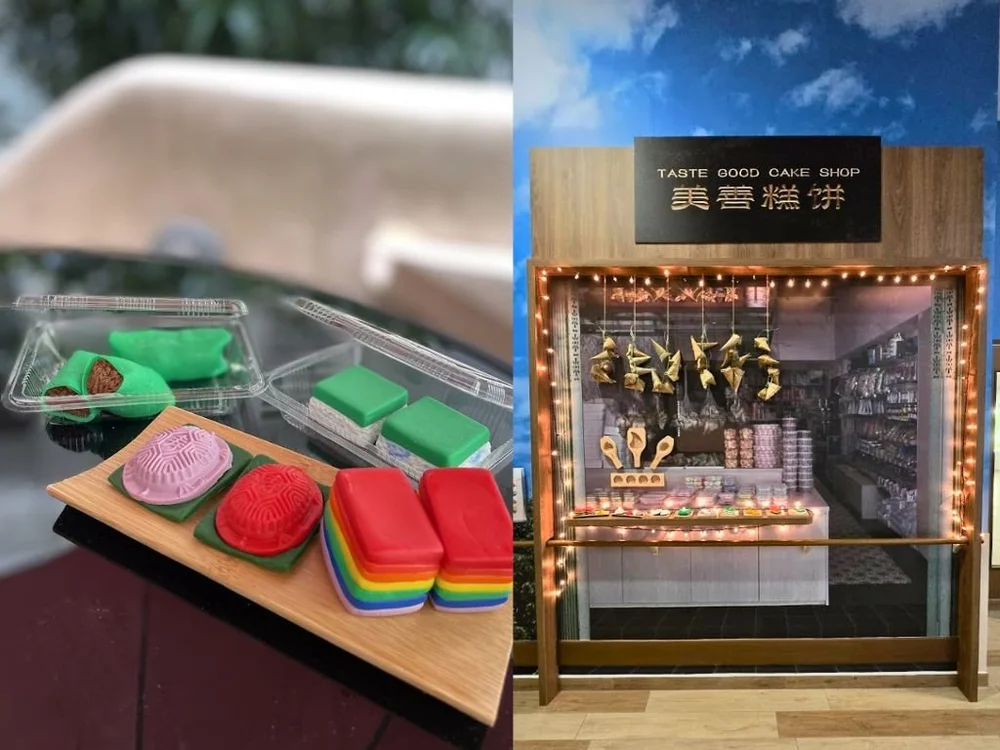
Senior care
1970s Singapore Activity Corner
A nursing home space redesigned into a nostalgic, multisensory environment for seniors.
Partner context: St Andrew’s Nursing Home
Senior-led brand design
Mama Beezy Wrap: Senior-Led Brand & Workshop Design
Little Changemakers supported Madam Henrietta in transforming her lived experience, recipe and sustainable craft into a teachable workshop and recognisable senior-led brand.
Design focus: brand development, workshop design, two-way learning and purposeful ageing
Purposeful ageing
Open Village Nursing Home Project
A nursing home engagement model that introduces purposeful mini-jobs, garden participation, animal tending and intergenerational activities to support dignity, joy and everyday contribution.
Location: Taman JurongWhy Little Changemakers
We combine design thinking, education, care practice and practical implementation.
We understand people
Our work begins with users, not just themes, objects or activities.
We design for real settings
We consider space, staffing, safety, maintenance, timing and everyday use.
We can build and run it
Our edge is turning ideas into materials, activities, spaces and working systems.
We design for impact
Our goal is meaningful participation, not decoration or one-off novelty.
FAQ
Common questions about design consulting.
Is this the same as running a workshop?
No. Workshops are one way we deliver impact. Design consulting goes deeper into needs, concepts, prototypes, experience flows, space design, activity systems and implementation planning.
Who is this service best for?
It is best for schools, healthcare teams, senior care providers, social service agencies, public agencies and organisations that want to redesign a programme, space or user experience.
Can you help with both concept and implementation?
Yes. We can support from design audit and concept development to prototyping, material sourcing, setup, facilitation, training and handover.
Do we need a clear brief before contacting you?
No. You can start with a problem, a space, an audience or a rough idea. We can help clarify the opportunity and shape the next step.
Can this be used for grant or stakeholder proposals?
Yes. We can help shape the design concept, user need, implementation approach and programme logic for internal approvals, partnership discussions or grant planning.
How do we start?
Share your audience, challenge, location, timeline and intended outcome. We will recommend whether to start with a strategy sprint, concept design or end-to-end project support.
Start with a design conversation
Have a programme, space or user experience that needs redesigning?
Share your audience, challenge, location and timeline. We will help you shape a practical design direction.